Interview mit Marianne Walde, Stiftungsrätin der SANNI Foundation
Dear Friends of the SANNI Foundation
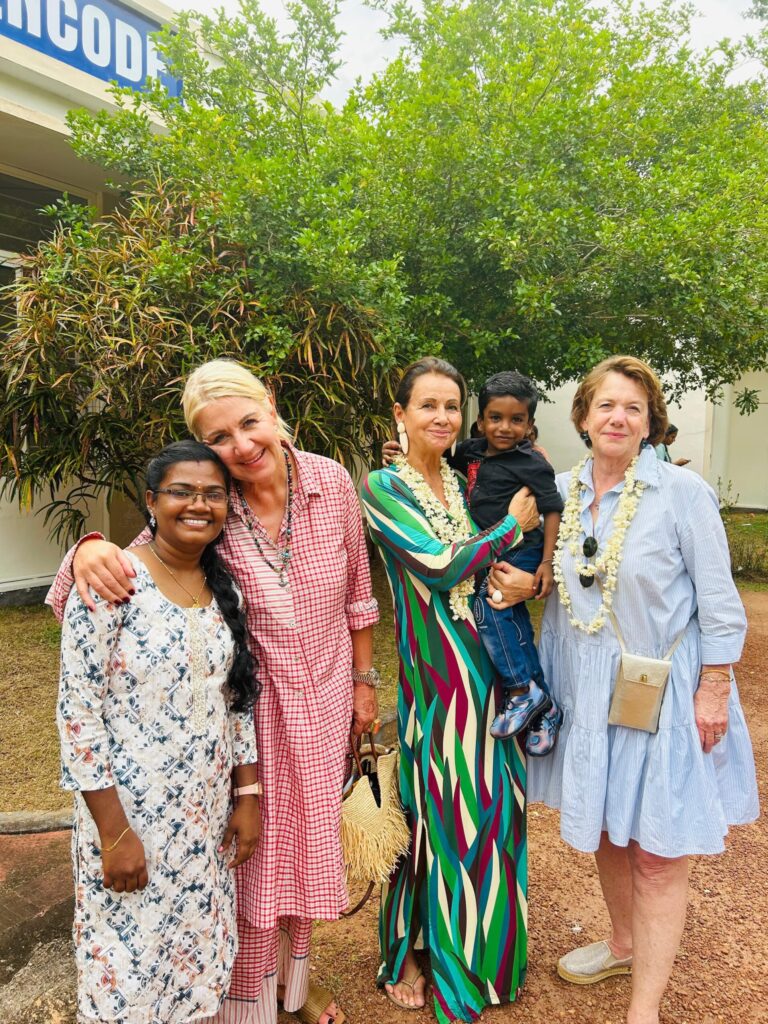
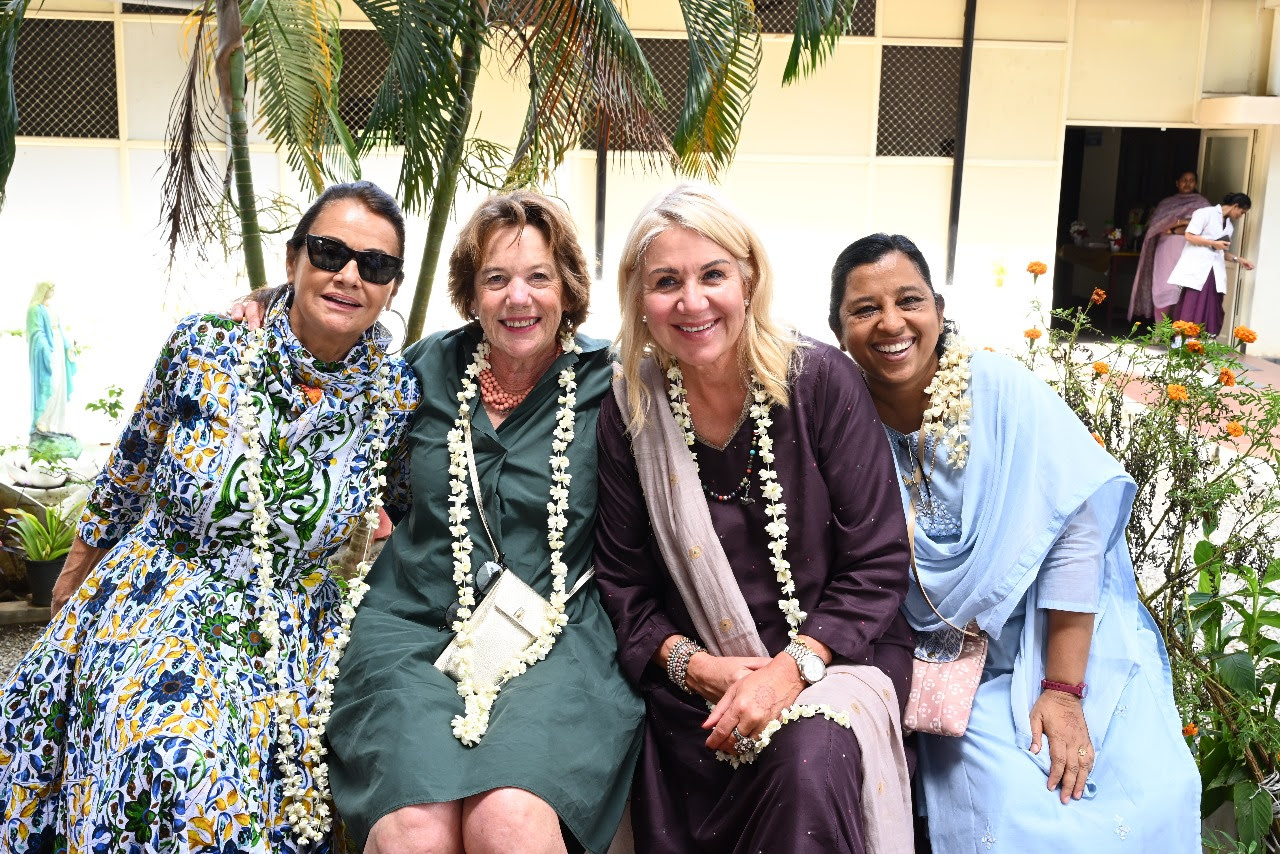
Sometimes it is individual encounters that make the value of our work especially visible. In November 2025, our board member Marianne Walde travelled to India once again and visited St. John’s in Trivandrum – a place she first came to know more than 13 years ago.
What has changed since then, which personal story has stayed with her to this day, and why education is the key to sustainable change – she shares in the following interview.
How did you first come into contact with the SANNI Foundation?
I have known Susanne for around 15 years. When I told her about 13 years ago that I was planning to travel to Kerala, she immediately said: “You absolutely have to visit Father Jose.” My daughter and I did – and that visit deeply moved me. Seeing the centre in Trivandrum and meeting Father Jose was truly impressive. He is simply extraordinary: full of energy, with a huge heart and a deep love for people. On that very day, a small boy was brought to the centre who had been living on the streets: Midun, four years old at the time. His mother was still very young and completely overwhelmed. He became my first sponsored child.
You travelled back to Trivandrum in November 2025. Did you stay in contact with your sponsored child over all those years?
Yes. All sponsors receive an annual report about the development of their child, so I was able to follow Midun’s journey over the years. In November, I saw him again: he is doing well, he has finished school and wants to become a nurse. He has reconnected with his mother – and I met her as well. Her gratitude was a moment I will never forget.
If you think back to your first visit 13 years ago and compare it with your most recent visit in November: what has changed at St. John’s?
It is hardly recognisable. From a drop of water, a lake has emerged: today there are three hospitals, several schools, a supermarket, senior living communities and workshops. What impressed me most is that the hospitals now operate in a self-sustaining way. That is exactly the goal of the SANNI Foundation: to empower people to take care of themselves. This includes women’s empowerment programmes, for example training in poultry farming or mushroom cultivation. In the past, these programmes were specifically aimed at women living with HIV- at a time when HIV/AIDS officially “did not exist” in India. This shows how important this work is.
The SANNI Foundation is not only active in Kerala, but also in the slums of Delhi. What is the focus there?
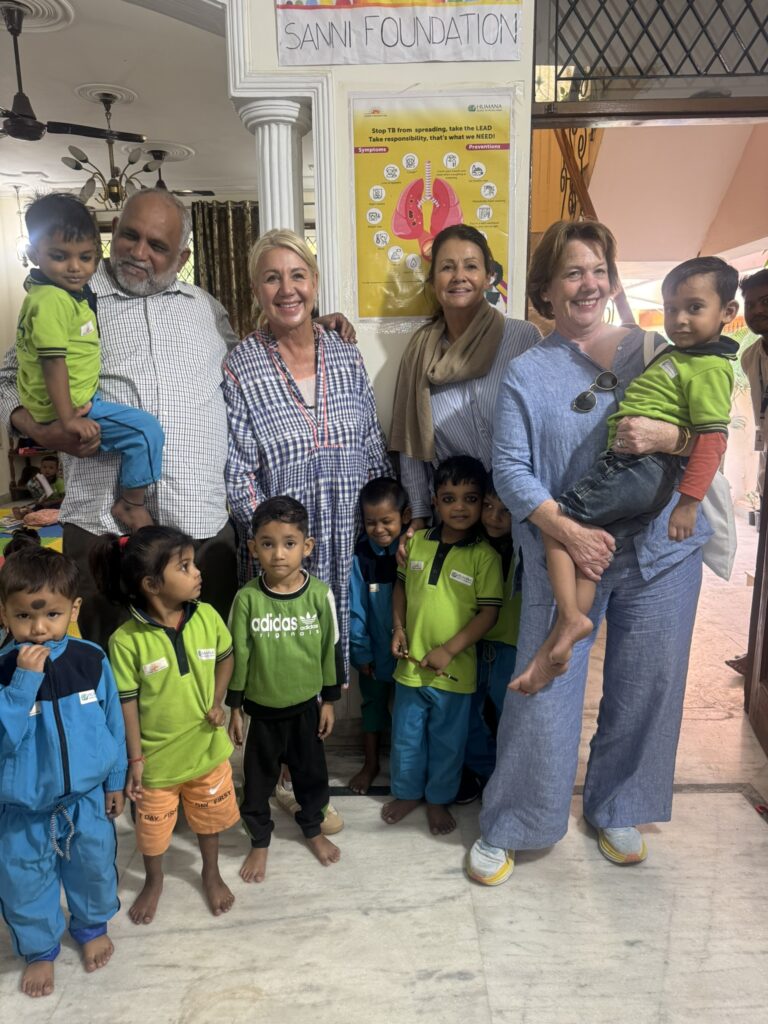
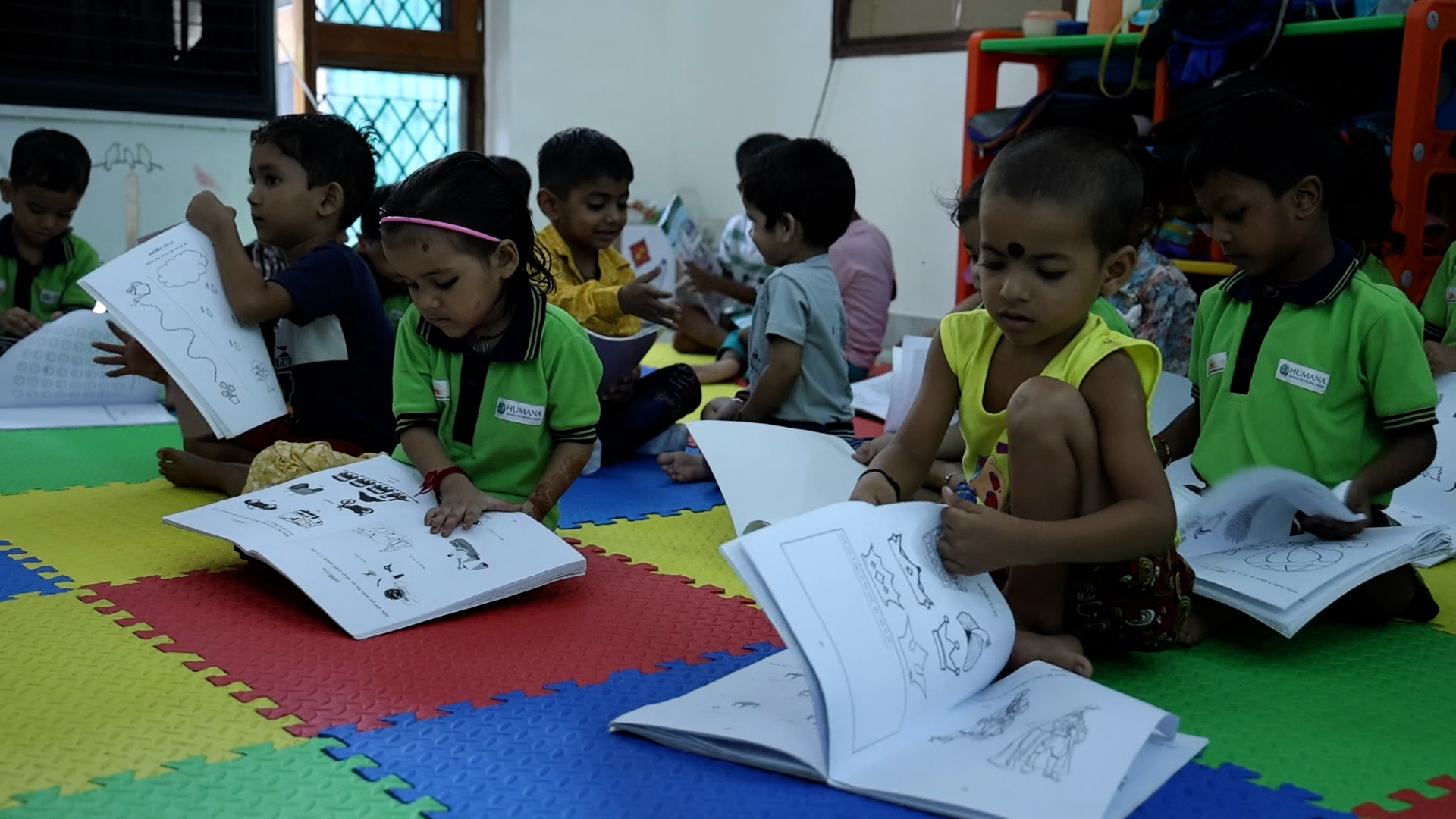
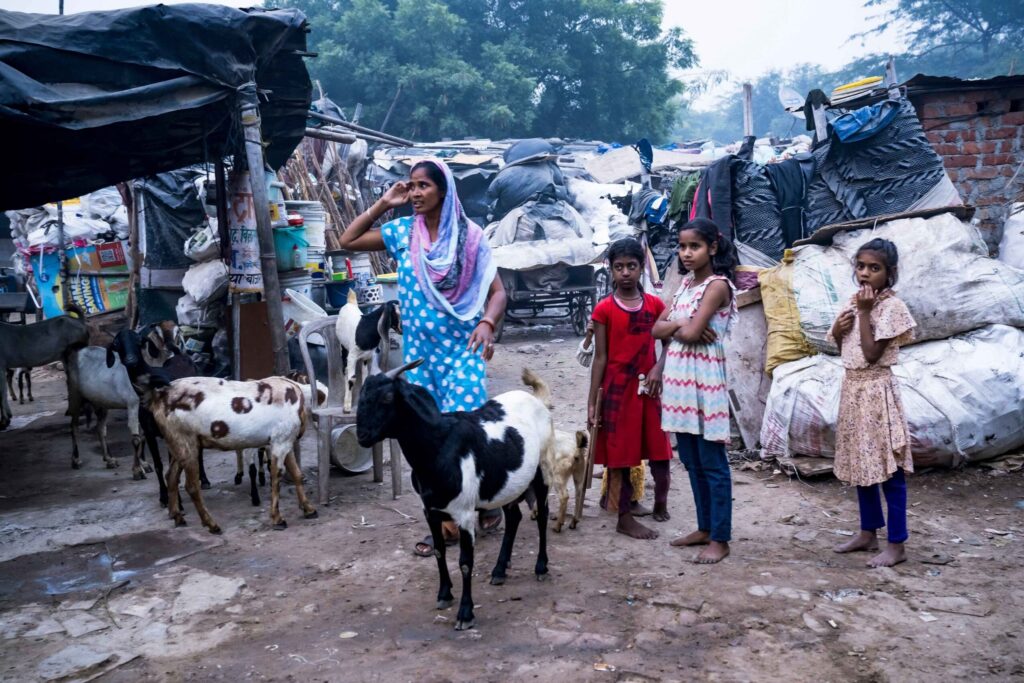
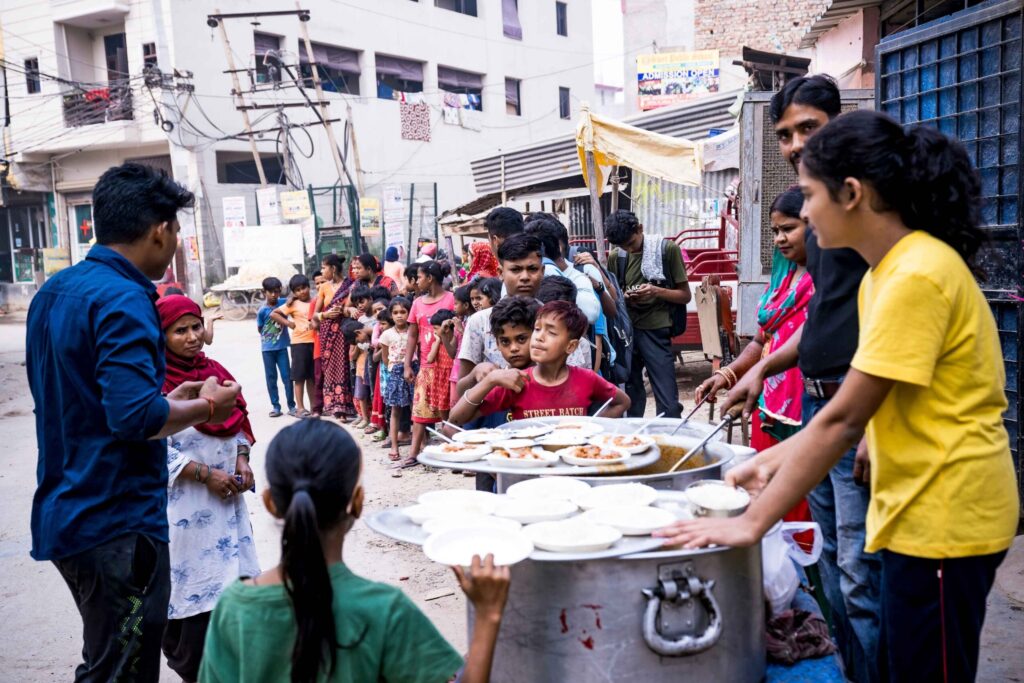
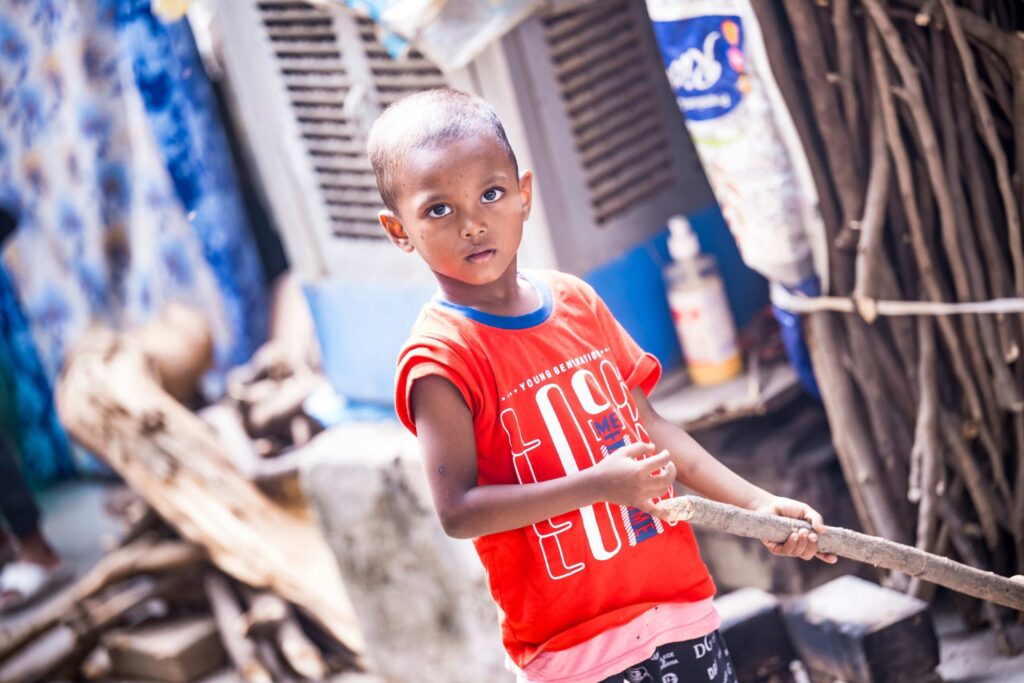
There, we create structured day programmes for children who have never attended school and enable them to enter the education system. At the same time, we train women as seamstresses or beauticians. In December 2025, we even opened a small sewing workshop where some of the women can now earn a stable income. The goal is sustainable change – creating real perspectives rather than short-term aid.
What motivates you to get involved?
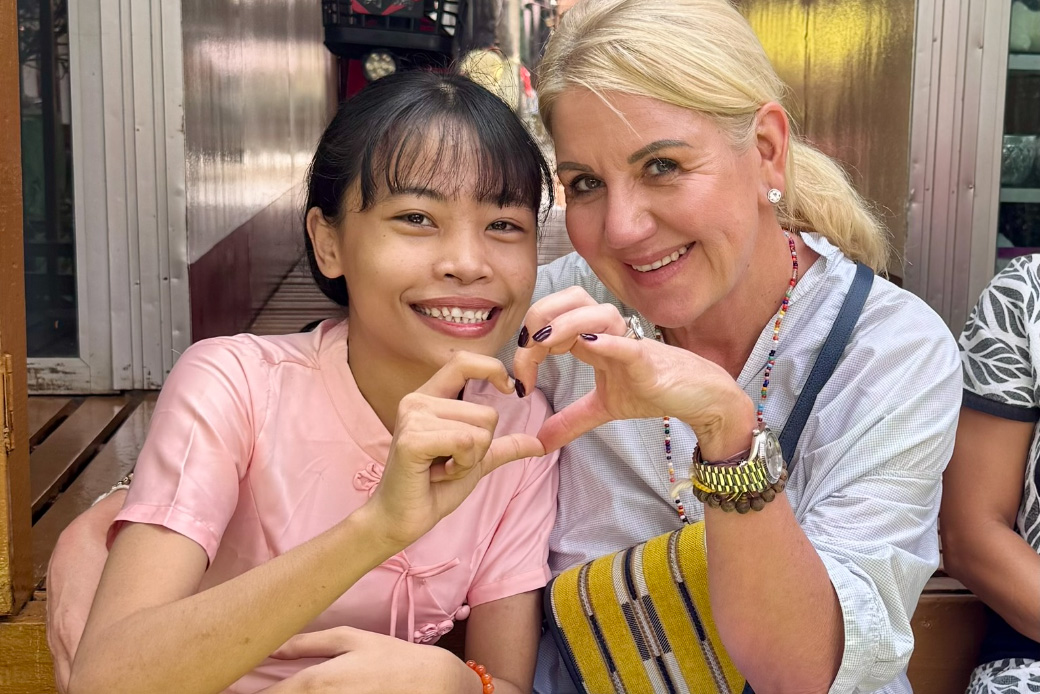
I am healthy, I have a family, we are doing well – that is a gift. And I am very happy to give something back. With SANNI, this is possible through sponsorships and donations for education and healthcare, both in India and in Myanmar. This support creates lasting change in the lives of many people in need. Midun is the best proof of that for me.
What do you wish for the future of the SANNI Foundation?
That we can support many more children and women in India and Myanmar in building something meaningful for their lives. Every single life matters. And with every child we give a perspective to, we don’t just change one life—we help a new lake grow from a single drop of water.